Your Proven Building Professional for Superior Residential Upgrades
A reputable general contractor plays an vital role in home improvement projects. Their knowledge guarantees projects are finished with accuracy and attention. By prioritizing premium supplies and skilled workmanship, they enhance both aesthetics and value. Clear dialogue and careful planning are essential for a smooth process. However, many homeowners miss key factors when selecting a builder. Recognizing what to emphasize can make a significant impact in achieving a successful renovation. What should residents consider first?
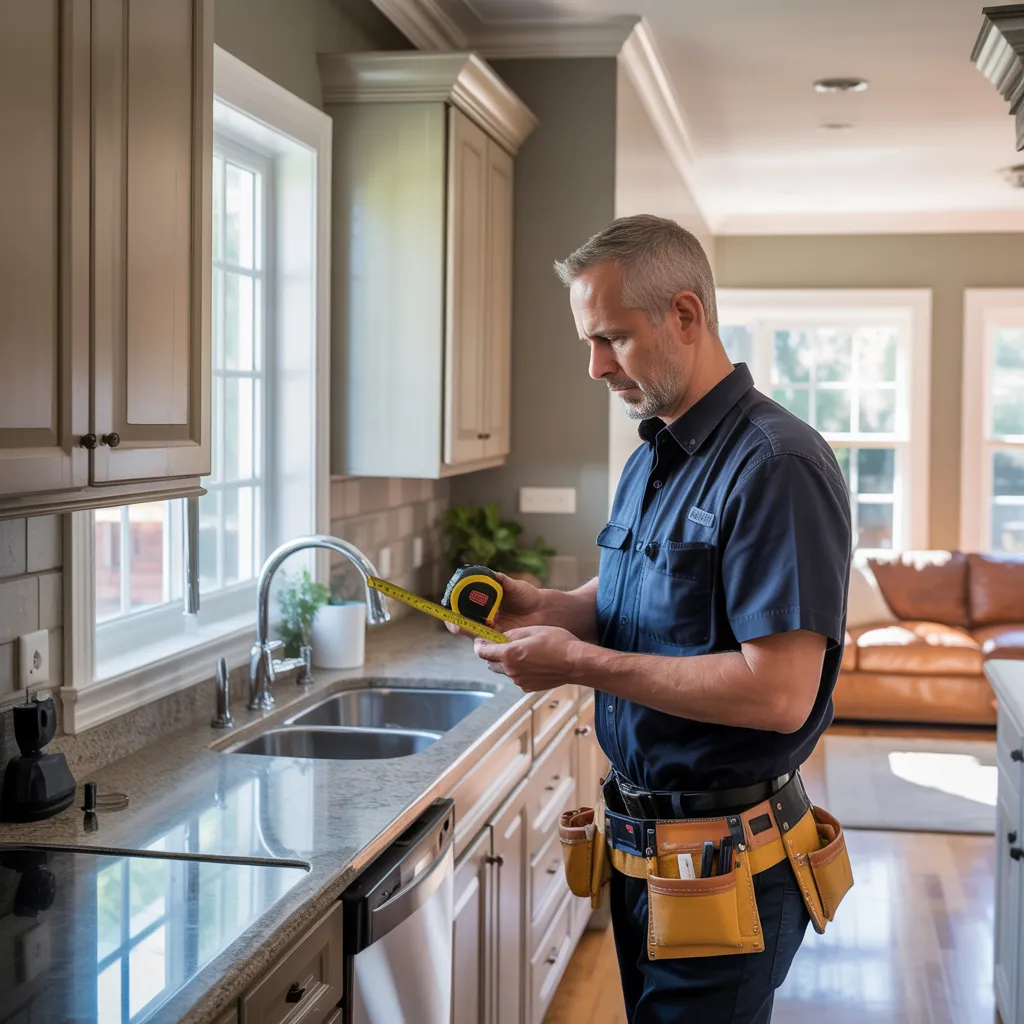
Important Considerations for Identifying a Credible General Contractor
When initiating a home improvement project, how can one guarantee they select a reliable general contractor? First, people should seek recommendations from loved ones, acquaintances, or web-based testimonials to find potential candidates. It is crucial to verify credentials, including licenses and insurance, ensuring the contractor complies with local regulations. Next, reviewing past work through project galleries or client testimonials offers insights into the contractor's dependability.
Additionally, securing several estimates can help you assess appropriate costs and project timelines. Conversational abilities are equally critical; a contractor should be welcoming and attentive to inquiries. Furthermore, a thorough agreement laying out project scope, timelines, and payment schedules protects both involved parties. Finally, trust instincts; if a contractor appears unprofessional or imprecise, it may signal upcoming difficulties. By sticking to these suggestions, homeowners can greatly increase their chances of hiring a dependable general contractor, leading to prosperous home improvements.
Why a Local General Contractor Is Your Ideal Choice
Selecting a local general contractor can greatly enhance the positive outcome of property renovation projects. Local contractors retain invaluable knowledge of the area, involving construction regulations, regulations, and zoning codes, verifying compliance and efficiency. Their developed ties with providers and auxiliary contractors can enable better pricing and timely access to supplies and trained workers.
Additionally, independent builders frequently have a image to preserve within their community, spurring them to deliver high-quality work. This sense of accountability establishes trust and confidence among homeowners.
Furthermore, nearness supports improved communication and faster turnaround, which can be paramount during a project. Homeowners can also collect recommendations from neighbors or friends who have worked with previously the contractor, providing peace of mind. Overall, choosing a local general contractor not only reinforces the community but also enhances the overall quality and experience of home improvement activities.
A Detailed Manual for Your Home Improvement Experience
Beginning a home improvement initiative necessitates careful planning and execution. Creating a project timeline is vital to ensure that tasks are completed effectively, while selecting quality materials can greatly influence the project success. This handbook will describe these key steps to assist homeowners navigate their enhancement journey with success.
Creating Your Task Schedule
Creating a detailed project timeline is key to effective home improvements, making sure each phase is completed efficiently. To start, homeowners should establish the project's scope, including specific goals and desired outcomes. After that, they should consult their general contractor to develop a realistic timeline based on how complex the project is and the tasks involved. Dividing the work into assessment smaller phases allows better tracking and modifications as required. It is also essential to consider potential delays, such as weather or supply chain challenges, which can affect the schedule. Regular communication with the contractor is helpful to keep the project on track. Ultimately, a clear timeline fosters communication and manages expectations, which leads to a smoother home improvement journey.
Finding Premium Components
Emphasizing on quality goods greatly determines the outcome of home renovation endeavors. To start, occupants should identify the particular needs of their project, considering factors including toughness, aesthetics, and financial plan. Looking into assorted product possibilities is vital; this includes understanding the advantages and drawbacks of each. Engaging with professionals can provide meaningful insights on proven makers and suppliers.
Next, property owners should request samples to evaluate the look and feel of materials firsthand. Comparing prices across different suppliers can help guarantee affordable rates without sacrificing quality. Finally, verifying that materials comply with local building codes is essential for safety and compliance. By thoughtfully selecting materials, homeowners can improve both the lifespan and visual appeal of their renovations, finally increasing the worth to their property.
Present Your Vision Like a Pro
Successful home improvements often depend on the capacity to convey a clear vision. Homeowners should articulate their concepts, tastes, and expectations, ensuring that they convey their desires efficiently to their general contractor. A well-defined vision not only helps in aligning the contractor's strategies with the homeowner's objectives but also simplifies the planning process.
Visual assets such as design sketches and inspiration collections can substantially enhance understanding. They deliver a tangible reference point that shows style, color schemes, and layout preferences. Moreover, maintaining transparent communication supports teamwork, permitting the contractor to pose clarifying questions and offer insights.
Establishing realistic timelines and budgets is equally essential. Property buyers should prepare to discuss obstacles openly to avoid confusion later. Ultimately, conveying a direction with clarity and confidence empowers both parties, laying the way for successful project realization and gratifying results in residential improvement projects.
The Essential Nature of Quality Materials and Masterful Craftsmanship
In home improvements, the selection of long-lasting materials greatly impacts the longevity and performance of a project. Equally important is the role of expert workmanship, which ensures that these materials are utilized properly. Combined, premium materials and skilled craftsmanship produce results that stand the test of time.
Selecting Long-lasting Materials
A well-selected selection of sturdy materials can significantly impact the longevity and visual appeal of home improvements. Premium materials not only elevate the appearance of a space but also assure that renovations endure the test of time. Homeowners should prioritize materials with established durability, such as hardwood, stone, and high-grade metals, which withstand wear and tear and environmental damage. Additionally, selecting materials compatible with the local climate can stop issues like rot or corrosion. Committing funds in resilient options may require a higher upfront cost, but the long-term benefits—fewer repairs and replacements—make it a wise choice. Ultimately, the right materials contribute to a home's value and overall satisfaction for years to come.
Understanding the Necessity of Skilled Craft
Quality artistry plays a crucial role in the triumph of property enhancements, enhancing the selection of durable materials. Accomplished craftspeople guarantee that every component of a project is executed with precision, enhancing both operational capacity and appearance. Meticulous attention in construction, from framing to finishing touches, adds significantly to the lifespan and performance of home features. Quality workmanship not only represents a pledge to excellence but also protects against future issues, such as integrity concerns or aesthetic flaws. Additionally, veteran professionals grasp the nuances of various materials, making certain they are employed effectively. Ultimately, investing in skilled artistry leads to a more satisfying and durable result, increasing the overall worth of the home and the occupant's satisfaction.
Usual Refurbishment Pitfalls and How to Dodge Them
Many property owners encounter pitfalls during remodeling that can lead to expensive delays and disappointment. One frequent error is undervaluing the budget. Without a comprehensive financial plan, unforeseen costs can rapidly emerge, compromising the project. Additionally, neglecting to secure required licenses can lead to penalties and project halts, hindering the renovation process.
Making hasty decisions represents another frequent mistake. Hasty decisions regarding layout and design can result in disappointment later on. Property owners frequently overlook the importance of hiring qualified professionals, which can undermine the quality of work and standards for safety.
Finally, not communicating properly with contractors can create confusion and unmet expectations. To avoid these pitfalls, homeowners should prioritize thorough planning, obtain the required documentation, select skilled contractors, and keep clear communication channels throughout the remodeling project. By tackling these common mistakes, homeowners can ensure a smoother and more satisfying renovation experience.
Guidelines for Selecting the Right Materials for Your Project?
How can property owners ensure they choose the right materials for their remodeling work? First, they should assess the particular requirements of the space, considering factors such as performance, aesthetics, and longevity. Researching different options is crucial; property owners should analyze options based on their suitability for the intended use and local climate conditions.
Partnering with a credible builder can yield valuable insights into picking options, verifying preferences satisfy both financial parameters and style objectives. Additionally, homeowners should highlight environmental consciousness by considering eco-friendly materials that cut environmental impact.
Ultimately, reviewing samples can assist in reaching sound conclusions, allowing property owners to envision how products will display and function in their setting. By following these steps, property owners can confidently choose products that enhance their renovation while ensuring caliber and persistence.
Commonly Sought Questions
How Should I Confirm a Contractor Certifications and Protection?
To check a contractor's credentials and coverage, one can inspect state regulatory agencies and insurance providers. Additionally, asking for documentation of licenses and insurance straight from the contractor ensures authenticity and adherence to regulatory requirements.
What Constitutes the Average Work Schedule for Domestic Enhancement Projects?
The typical timeline for home improvement initiatives fluctuates, often spanning from a few weeks to several months, depending on how complex the project is, magnitude, and required permits. Consultation with the contractor can help create a more accurate plan.
May I Reside in My Home While Renovations Are Underway?
Yes, a person can stay in a home during restoration work, though it often depends on the project's scope. Partial renovations may enable continued residence, while extensive work might demand temporary relocation for safety and comfort.
Which Payment Methods Are Typically Accepted by Contractors?
Contractors generally take a selection of ways to pay, including cash, checks, credit cards, and digital payment platforms. Some may also extend financing programs, allowing clients flexibility in overseeing renovation costs and payment schedules.
How Can I Deal With Disputes Involving My Contractor?
To work out conflicts with a contractor, one should engage in clear dialogue, track all interactions, and strive for agreement through negotiation. If not resolved, mediation services or court action may be needed to maintain one's interests efficiently.